


Overview:
- Youth development NGOs provide skills training, mentorship, and job pathways that grow local economies.
- Organizations like Girl Power USA build civic engagement through community projects, leadership programs, and advocacy.
- Inclusive programs support marginalized youth with mental health services, education, and safe spaces to thrive.
- Investing in youth development NGOs creates measurable returns through economic growth, stronger communities, and sustainable change.
You can picture a neighborhood, sometime in the future, where the youth are thriving on their own. They build businesses, organize cleanups, and maybe even run for local office. What makes this description sound like a far-fetched, distant dream, however, is how it couldn’t be further from the truth. The reality most young people face today: no job, no relevant skills, and nowhere safe to learn and grow. That’s exactly why youth development NGOs matter so much in today’s status quo. They fill a gap that schools and governments often miss. They achieve this by giving youth the proper resources, training, and real opportunities. These are the makings of actual success and a brighter future, so one day, we won’t have to imagine anymore.
Getting The Youth Job-Ready (Potential Doesn’t Pay Bills!)
Let’s be real– graduating with a diploma doesn’t automatically mean you’re ready for the workforce. This is where youth development NGOs step in, offering practical training that actually leads somewhere. Vocational programs, real internships, and guidance towards making it on their own in the workplace. Young people get to learn the basics for contributing to an organization, skills like interview taking and proposal writing. Many organizations help young people experience this under guidance and mentorship, one of them being Girl Power USA.
Girl Power USA’s approach to economic empowerment comes through their Global Youth Development Program. The organization provides skill development and real work opportunities for young people with limited access to quality employment. They’re especially focused on creating opportunities for youth who often face extra barriers to career advancement and financial independence. For many, this becomes their first step towards a brighter future. When young people develop the skills required to earn a steady income, something shifts in their community. There will be more money circulating locally, unemployment drops, and families stabilize. A youth development NGO doesn’t just change one person’s trajectory; it lifts entire neighborhoods.
People may worry about funding and whether these programs can scale up, which is a fair concern. But when a youth development NGO partners with government agencies or private companies, small programs can become city-wide initiatives. These organizations prove what works, and will eventually scale when the right players invest in expanding their reach.
Turning Youth Into Community Leaders
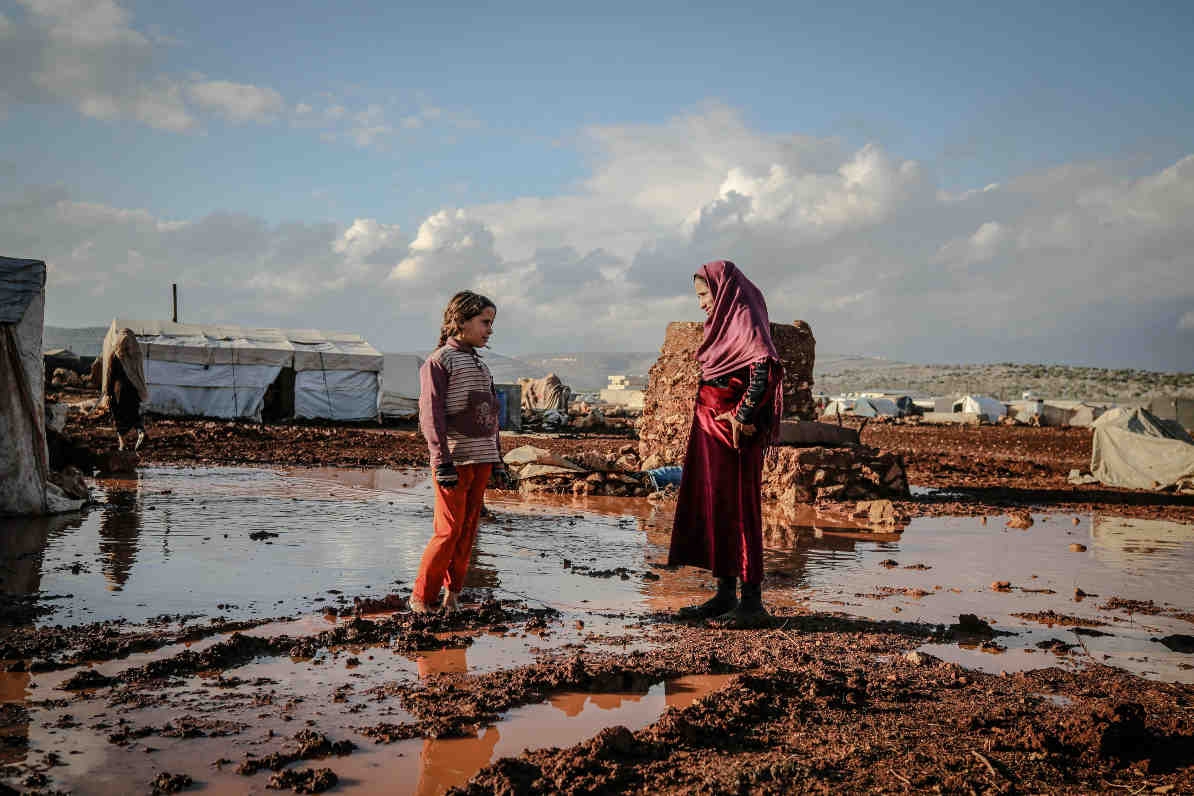
When young people actually run projects, take charge, and learn all the crucial skills, everything starts to change for them. Not only their worldview, but they also stop feeling powerless and take ownership. A youth development NGO creates safe spaces to meet, fuels passion, and seeds funding for ideas they care about.
Girl Power USA exemplifies this community-building approach through programs that address real local needs. Their Period Power Initiative doesn’t just distribute hygiene products–but it also teaches girls to sew reusable pads. They provide sexual health education, helping them unlearn taboos surrounding menstruation and embrace their normal bodily functions. In Nigeria, Girl Power USA sponsors youth education, directly investing in the future of community leaders within the next generation.
If you’re wondering how this is supposed to help, we can take Colombia, as an example. Youth trained through NGO programs within that region mediated neighborhood disputes, lowering violence rates. Or in the Philippines, where young activists pushed through coastal protection laws that had been ignored for years. These aren’t surface-level, feel-good stories, but proof that investing in youth leadership produces significant, tangible results.
The effects ripple outward. When one young person gets involved, their friends notice. This creates a wave of good influence and keen interest. Before you know it, it’s not just adults who decide what young people need, not when they can advocate for themselves.
Creating Space for Everyone
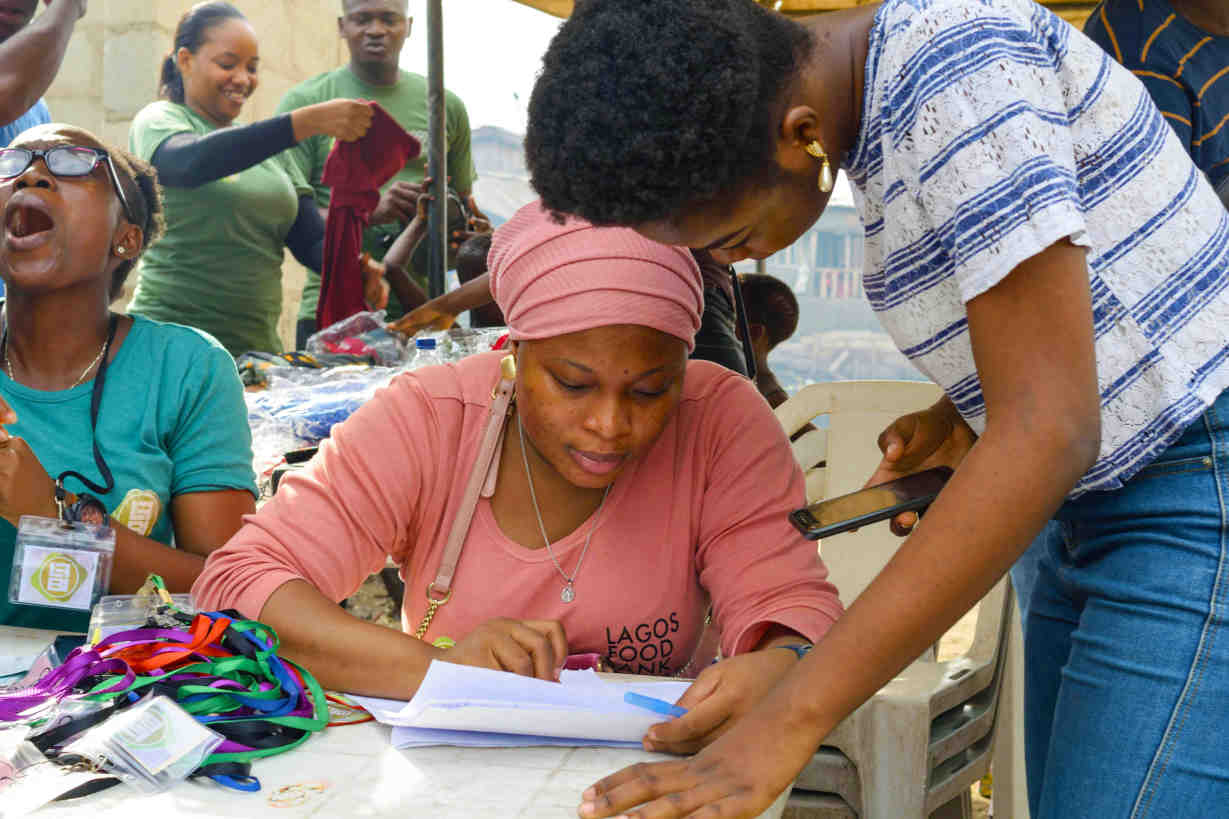
The truth is, behind most successful young leaders is someone who believed in them when things got rough. A youth development NGO can be the bridge between mentors and mentees during a tumultuous time in a youth’s life. They provide mentorship and counseling, teaching them that failure can work as a springboard for success. These organizations help young people develop resilience and instill a mindset of continuous improvement for their future. Most times, they do this for the youth who often get overlooked– girls in conservative areas, young people with disabilities–those who face extra barriers.
When young people receive the mentorship and support they need, they can thrive. Someone who faces extra barriers may gain skills and confidence to advocate for themselves. A youth development NGO that truly includes everyone makes the whole community stronger, not just the participants.
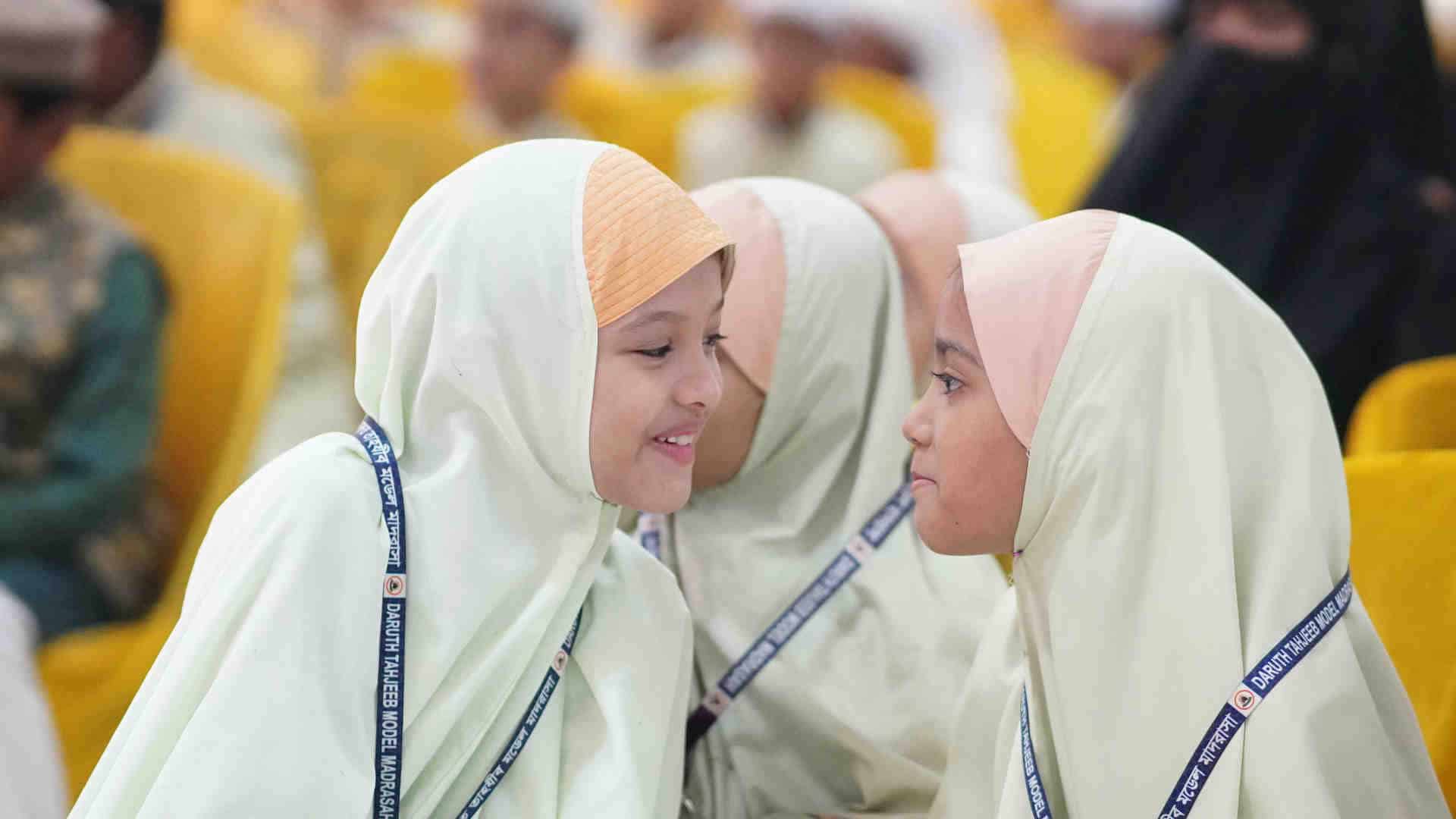
These organizations become a launchpad for innovations. Young social entrepreneurs are developing solar lamps for off-grid areas, apps that connect farmers to buyers, and cheap water filters for contaminated wells. Believe it or not, the United Nations Development Programme has documented a lot of these youth-led innovations. Most of these started with a small grant and some guidance from the right NGO. When you invest in young people’s ideas, you uncover a well of creative solutions to problems that may have stumped policymakers for years.
Here’s the formula in simpler math: healthier, more supported young people cost society less in healthcare and criminal justice down the road. They contribute more in taxes and economic activity. A youth development NGO can help achieve these outcomes. So, supporting them isn’t just about charity, but a smart investment for a brighter future.
Conclusion:
Supporting youth development NGOs is about recognizing that young people, when equipped with real skills, can become the foundation of stable communities. This can be the starting point to more prosperous communities, with youth who are given actual civic power and supported through their challenges. Youth development NGOs do critical things for the future generations, such as preparing young people for economic participation and fostering innovation.
Governments can fund and partner with these NGOs. Donors can invest knowing their money creates measurable returns. Even the everyday, regular person can volunteer and advocate for policies that support the vision of a brighter tomorrow. When we invest in the youth through effective organizations doing the work, we’re investing in our own future. Every thriving community needs its young people equipped to lead, and youth development NGOs are proving they know how to make that happen. Will you join the cause to support one today?
FAQs
1. What is the role of NGO in youth development?
NGOs provide skill development programs, leadership training, and entrepreneurship opportunities that help young people thrive. They offer workshops on public speaking, project management, and conflict resolution while expanding access to education through scholarships and mentorship. These organizations act as bridges between youth and resources, creating safe spaces for learning and advocating for policies that support youth rights.
2. What is a youth NGO?
A youth NGO is a youth-led, non-profit organization where the majority of members are young people. These groups focus on promoting democratic rights, encouraging civic participation, and offering personal development opportunities. Youth NGOs range from small local groups to large international movements, all working to advance the political, social, cultural, or economic goals of young people.
3. What are the 5 C’s of youth development?
The five C’s are Competence, Confidence, Connection, Character, and Caring. Competence means skills in specific areas, Confidence is positive self-worth, Character reflects integrity and respect for rules, Caring is empathy toward others, and Connection involves meaningful relationships. When all five are strong, a sixth C emerges, which is Contribution. Contribution is when youth can positively impact their families, communities, and society.
