
Overview:
- United Nations Conventions are legally binding treaties that set global standards for human rights, peace, and sustainable development.
- They guide governments, shape national laws, and promote international cooperation.
- Nonprofits like Girl Power USA use these conventions to design programs, protect children’s and women’s rights, and ensure ethical, impactful work.
- By aligning with UN Conventions, organizations turn international commitments into real, local change.
United Nations (UN) Conventions are international treaties created under the United Nations system to establish shared legal standards between countries. UN conventions are adopted when the UN identifies sweeping rules or practices that should be implemented across countries to benefit humanity. They are legally binding and monitored through reporting.
Currently, there are more than 560 multilateral treaties (agreed upon by three or more member states). These cover a broad range of topics, from protecting human rights to fighting climate change.
With 193 UN member states, these conventions form one of the most widely recognized and respected legal frameworks in the world. For example, the Convention on the Rights of the Child (CRC) has been ratified by more than 190 countries. This makes it the most universally accepted human rights treaty globally. This widespread adoption highlights the importance of UN Conventions in shaping laws, policies, and international cooperation.
What Are the Main Types of UN Conventions and Their Purposes?
UN Conventions fall into several major categories, each serving a distinct global purpose.
Human Rights Conventions
Since 1945, the United Nations has adopted key international treaties that form the foundation of global human rights law. These conventions protect people from genocide, racial and gender discrimination, and safeguard the rights of children and persons with disabilities.
- Convention on the Rights of the Child (CRC):
Governments hold this treaty as the most ratified human rights document. It has inspired governments to change laws and make investments so that more children finally get the necessary healthcare and nutrition. Stronger laws now shield children from violence and exploitation. The Convention has also enabled more children to have their voices heard and participate in their societies.
- Convention on the Elimination of All Forms of Discrimination Against Women (CEDAW):
The Convention provides the basis for realizing equality between women and men. It ensures women’s equal access to, and equal opportunities in, political and public life. This includes the right to vote and to stand for election, as well as access to education, health, and employment. CEDAW affirms women’s reproductive rights as the only such treaty.
- Convention on the Rights of Persons with Disabilities (CRPD):
The CRPD guarantees people with disabilities the same rights and opportunities as everybody else. It challenges people worldwide to understand disability as a human rights issue. The Convention covers many areas where obstacles can arise, such as physical access to buildings, roads, and transportation. It also aims to reduce stigma and discrimination, to prevent exclusion from education, employment, and healthcare.
- United Nations Convention on Contracts for International Sale of Goods:
The contract of sale is the backbone of international trade in all countries, irrespective of their legal tradition. The CISG is therefore considered one of the core international trade law conventions whose universal adoption is desirable.
The purpose of the CISG is to provide a modern, uniform, and fair regime for contracts for the international sale of goods. Thus, the CISG contributes significantly to introducing certainty in commercial exchanges and decreasing transaction costs.
Environmental Conventions
The United Nations Environment Programme drives transformational change to address the triple planetary crisis: climate change, biodiversity loss, and pollution.
UNEP recognizes all countries’ climate vulnerability and urges special support for developing nations lacking resources to address climate change.
How UN Conventions Work in International Law
UN Conventions are legally binding multilateral treaties. Unlike non-binding declarations or resolutions (soft law), they establish mandatory obligations for states that choose to participate.
Ratification Process
A state may sign a convention to show support and intent to ratify, but signing alone rarely creates binding legal obligations.To become legally bound, a state must formally ratify the treaty, which often requires domestic legislative approval. If a state joins after the treaty is already in force, the process is called accession.
Binding Effects
Ratification invokes pacta sunt servanda— the principle that agreements must bind states legally. States must refrain from acts that would defeat the treaty’s purpose even before it fully enters into force.
Enforcement Mechanisms:
- Treaty Bodies: Many UN conventions establish committees of independent experts (e.g., the Human Rights Committee) to monitor compliance through periodic state reports and individual complaints.
- Judicial Bodies: Disputes may be referred to the International Court of Justice (ICJ) if parties have accepted its jurisdiction.
- Political Pressure: The UN Security Council can authorize sanctions or other measures if a violation threatens international peace.
UN Conventions shape national laws by requiring states to integrate treaty obligations domestically. Some countries apply conventions directly, while others pass implementing legislation. They promote international cooperation by setting global standards, encouraging information sharing, and harmonizing laws across countries.
The Role of UN Conventions in Promoting Global Peace and Cooperation
UN Conventions contribute to global peace, development, and sustainability in several ways:
- Promoting Peace and Global Stability
UN Conventions help prevent conflict by establishing clear international legal standards. They address issues like genocide, discrimination, and terrorism that threaten peace. By promoting justice and accountability, conventions reduce tensions between states.
- Protecting Human Rights Worldwide
Human rights conventions safeguard dignity, equality, and fundamental freedoms. They protect vulnerable groups, including women, children, and persons with disabilities. These treaties hold governments accountable through monitoring and reporting mechanisms.
- Supporting Economic Development
UN Conventions promote stable legal environments that attract investment and trade. They encourage fair labor practices, non-discrimination, and access to education. Stronger institutions and rule of law support long-term economic growth.
- Advancing Environmental Sustainability
Environmental conventions guide global action on climate change and biodiversity protection. They encourage responsible resource use and sustainable development practices. International cooperation helps address environmental challenges that cross borders.
The United Nations facilitates dialogue among states through forums and negotiations. It supports compliance by providing technical assistance and expert guidance. Monitoring bodies and review processes help ensure transparency and accountability.
Why Are UN Conventions Important for Nonprofits?
UN conventions provide foundational ground rules that set precedents for countries around the world. They provide nonprofits with standards to assess situations and hold countries accountable, especially when working internationally.
For example, the United Nations Convention on the Rights of the Child discusses in depth the human rights each person under the age of 18 deserves. With this convention in place, charities like Girl Power USA have a foundation for their work. In total, the convention has 54 articles that cover all aspects of the rights a child deserves in their life. And it explains how adults and governing bodies should work towards ensuring those rights are met. The convention not only offers a baseline for comparison but also a set of standards to be followed.
How Girl Power USA Aligns With UN Conventions in Its Projects
Girl Power USA integrates the principles of UN Conventions across its programs, ensuring global standards translate into local impact:
- Children’s Education Programs:
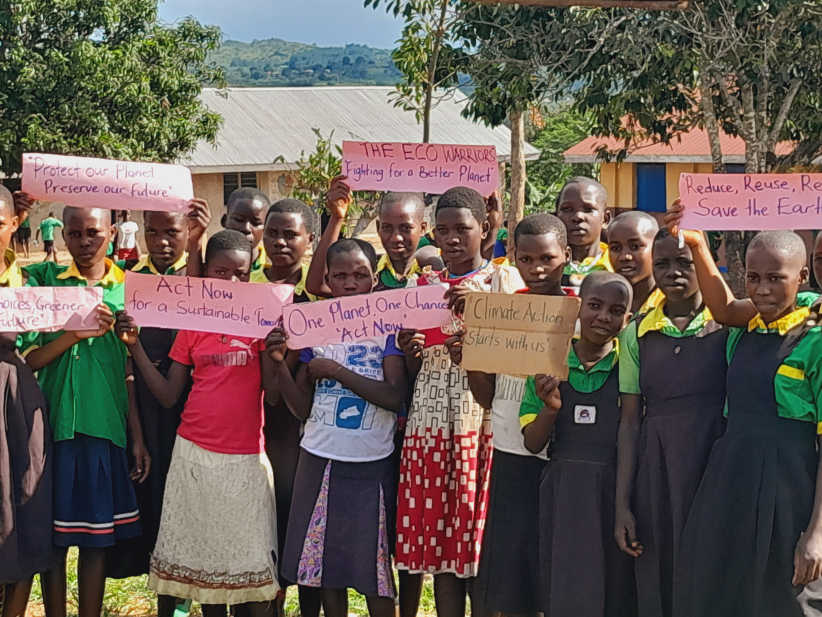
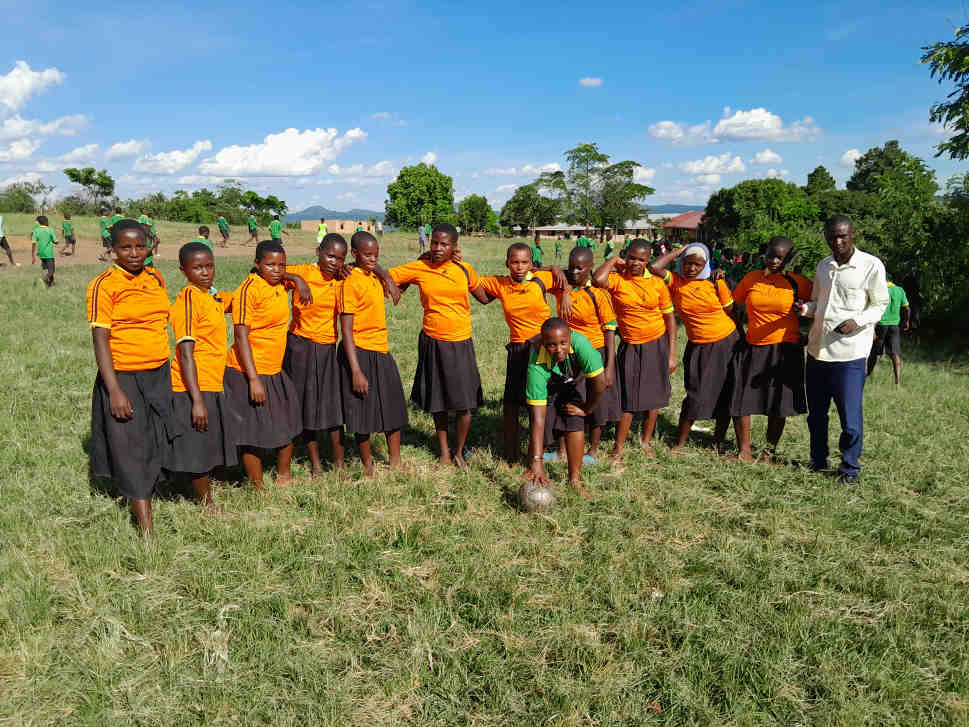
Aligned with the CRC, Girl Power USA supports children’s rights to education through scholarships in Nigeria and India. Aligned with the CRC, Girl Power USA supports children’s education rights through scholarships in Nigeria and India. We supported 200 girls from Uganda’s Eco Warriors sports team with football gear and running shoes. This has kept them better engaged in school and allowed them to continue their passion for sports.
- Period Poverty Initiatives:
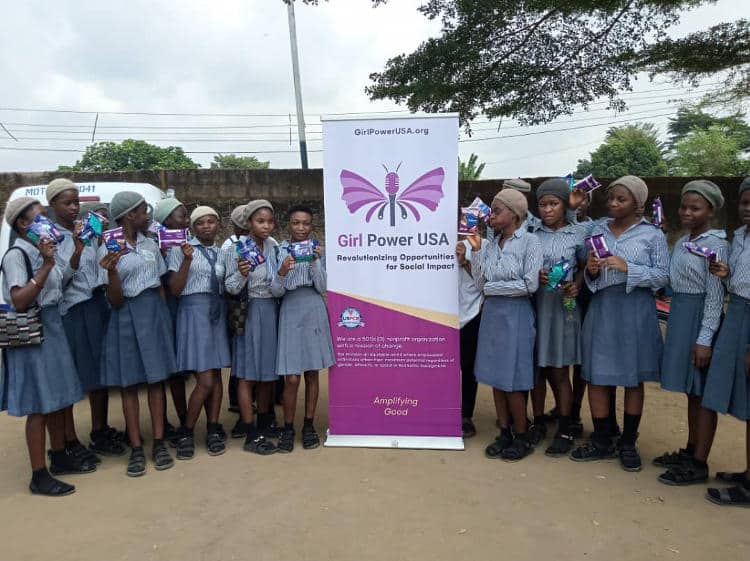
Guided by CEDAW, Girl Power USA addresses period poverty through education and training to produce reusable menstrual pads. This helps address gender inequality, promote health rights, and increase access to menstrual hygiene resources for girls and young women.
- Global Youth Leadership Development Program:
Young people, especially women, deserve the chance to lead without sacrificing their passion, career, or financial security. Girl Power USA is creating a diverse, inclusive environment where youth thrive through mentorship, business exposure, and real-world opportunities. Our goal is to build socially conscious leaders who inspire change and create opportunities for others.
By aligning its work with international treaties, Girl Power USA ensures its programs are ethical, sustainable, and globally relevant.
Conclusion:
United Nations Conventions are powerful tools that shape international law, protect human rights, and promote peace and sustainable development. They provide a shared legal and moral foundation for governments, institutions, and civil society organizations worldwide. For nonprofits like Girl Power USA, UN Conventions offer a roadmap for impactful, rights-based work. Girl Power USA turns international commitments into real change for children, girls, and communities, promoting justice and equity worldwide.
FAQs
1. What are UN Conventions?
UN Conventions are legally binding international treaties agreed upon by UN member states to establish global standards on issues like human rights, peace, and sustainable development. They require governments to report compliance and promote cooperation across nations.
2. Why are UN Conventions important for nonprofits?
UN Conventions provide nonprofits with global frameworks to align programs, enhance credibility, and access partnerships or funding. They guide ethical work, such as protecting rights in charity projects like education and health.
3. How many conventions does the UN have?
The United Nations serves as a depositary for more than 560 multilateral treaties and conventions, covering topics from human rights to disarmament and the environment. This number reflects those deposited with the UN Secretary-General as of recent records, though the full scope of international agreements exceeds 600 when including related protocols.
